Why Phantom and Solana Wallets Matter for NFTs and DeFi — A Practical, Slightly Opinionated Guide
Whoa! Okay, so check this out—if you collect NFTs or mess with DeFi on Solana, the wallet you pick matters. Short version: it changes your day-to-day. Longer version: it changes what dapps you can use, how fast transactions feel, and whether you wake up calm or sweating about a wrong click.
Phantom is the wallet most people mention first. It sits in your browser like a tiny control center. It handles SOL, SPL tokens, NFTs, and connects to marketplaces and lending apps with a click. My gut told me it would be clunky at first. It wasn’t. Seriously, it felt intuitive very fast.
Here’s the thing. You can use a mobile wallet, a hardware wallet, or a browser extension. Each has tradeoffs. Chrome or Brave extensions are convenient. Hardware is safer but slower. Mobile is familiar but sometimes limited for complex DeFi flows. On Solana, speed is a real benefit—blocks are fast so trades and NFT mints happen almost instantly, though gas behavior is different than Ethereum.
How a good NFT wallet behaves (and what to watch for)
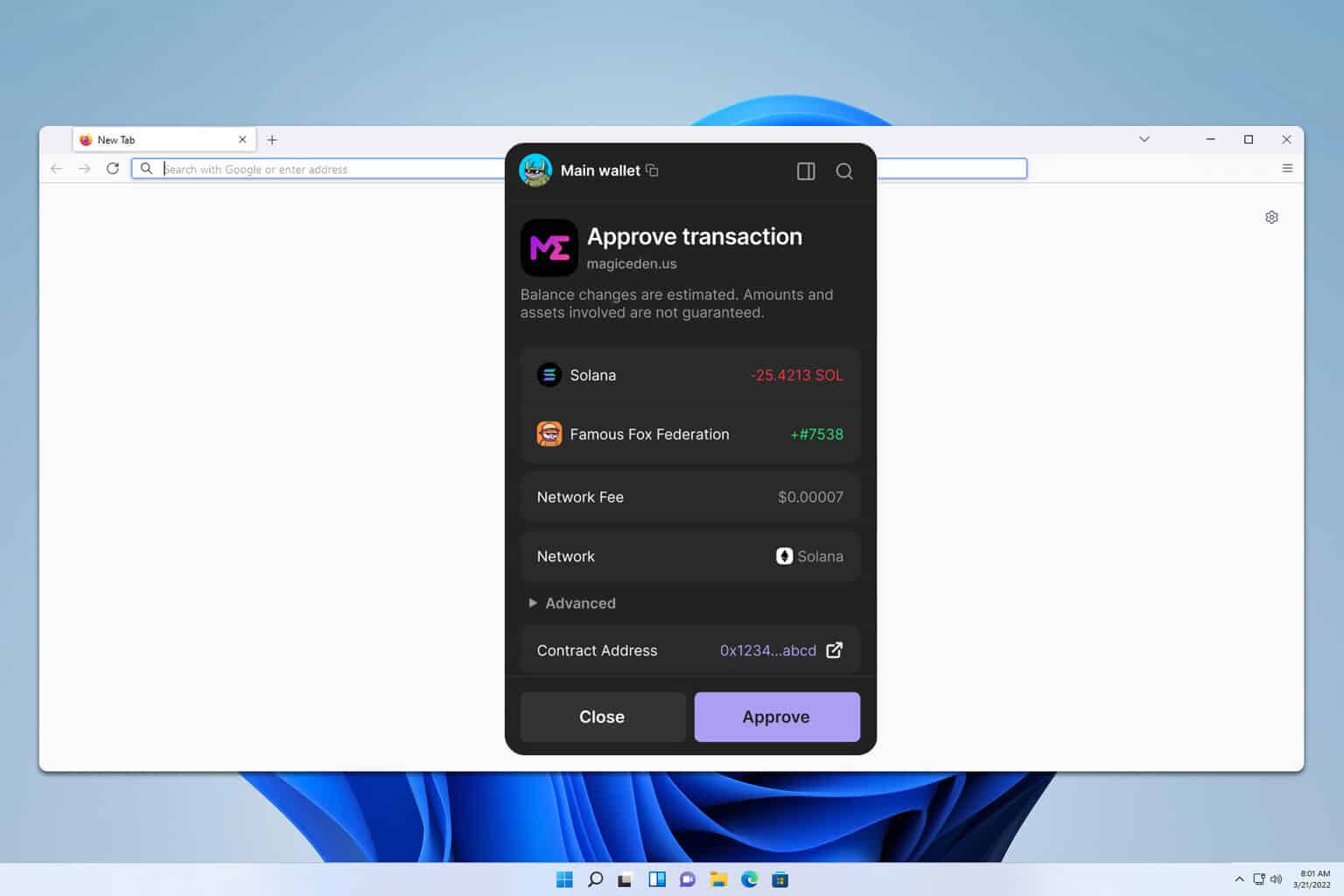
Short checklist first. Backup your seed phrase. Use a passphrase or Ledger if you can. Be careful with sites requesting signature requests. Wow, those signature prompts can be confusing. Really. A legit site asks to sign to prove you own an address; a sketchy one asks to approve token transfers or unlimited approvals.
Phantom simplifies NFT viewing and collections inside the UI. It displays token metadata, previews, and lets you manage royalties and listings without leaving the extension. If you want to try it yourself, that phantom wallet download extension is where many folks land. I’m biased toward it for day-to-day use, but different folks have different needs.
Now a bit of nuance. Some marketplaces or airdrop scripts might require manual steps. On one hand you get near-instant swaps; on the other hand, permission management on Solana can feel raw. Use the wallet’s transaction preview. If something looks off, cancel. This part bugs me—too many people click through without reading. I’m not 100% perfect at it either, but I try.
DeFi on Solana: speed, UX, and risk
Solana’s throughput is its headline. Transactions per second keep DeFi interactions cheap and fast. But fast doesn’t mean risk-free. Protocol bugs, front-end spoofing, and rug pulls exist everywhere. Hmm… remember that.
When you connect Phantom to a DeFi app, watch for these signs: clear smart contract addresses, community vetting, and audited code where available. Use small test amounts before you commit large sums. Seriously—send a tiny transaction first. If something smells off, step back. My instinct says this simple practice saves headaches.
Also, wallet ergonomics influence behavior. If approving a swap is three clicks and the interface shows gas clearly, you’re more likely to notice mistakes. If the UI hides fees or bundles approvals, it’s easier to mess up. Phantom generally shows you the SOL fee and transaction details. I like that transparency. On the other hand, advanced users sometimes need more raw control, which requires pairing with a Ledger.
Security habits that actually help
Short tips. Backup twice. Use hardware for big balances. Check URLs. Don’t paste your seed phrase anywhere. Really.
Use a burner wallet for mints and risky dapps. Keep the main stash offline. When you get a signature request, read it—some requests are harmless, others give blanket transfer power. If an app is asking to allow unlimited transfers, revoke immediately unless you explicitly trust the contract. There are revocation tools; learn them.
Also: browser hygiene matters. Disable unused extensions. Keep your browser updated. Phishing is the most common attack vector. Oftentimes a malicious site will mimic a marketplace UI closely. Pause and verify. If you’re using the extension on public Wi‑Fi, consider a VPN or wait until you’re on a safer network.
Oh—one more aside, somethin’ I tell friends: don’t mix too many networks in one workflow. Cross-chain bridges and unknown wrappers add layers of risk. If you’re bridging SOL to another chain, pick reputable, well-reviewed bridges and use small test amounts first.
FAQ
Is Phantom safe for my NFTs?
Generally yes for everyday use. It stores keys locally and supports hardware wallets for extra security. But safety depends on your habits. Backup your seed phrase, avoid shady sites, and use a hardware wallet for large holdings.
Should I use the browser extension or mobile app?
Both have merits. Browser extensions are great for desktop minting and interacting with complex dapps. Mobile is handy for quick checks and casual trading. If you care about security, use a Ledger with the extension for high-value operations.
How do I avoid phishing when downloading a wallet?
Download from official sources only. Confirm URLs and extension publisher names. If in doubt, go to an official project’s site or app store listing. The link above is one common entry point for the Phantom extension, and it’s worth verifying against other official references before installing.
Okay, last thoughts. Using Phantom or any Solana wallet is mostly about tradeoffs between convenience and control. At first people crave convenience. Later they want security. Plan for both. Build habits that match your risk tolerance. I’m not 100% perfect at following my own rules, but I try—so yeah, learn the mistakes, avoid the ones that are easy to avoid, and enjoy the ecosystem. Things move fast out here, and the right wallet makes that speed feel good rather than scary.